In recent years, the landscape of healthcare has undergone a remarkable transformation, particularly in the field of physiotherapy.
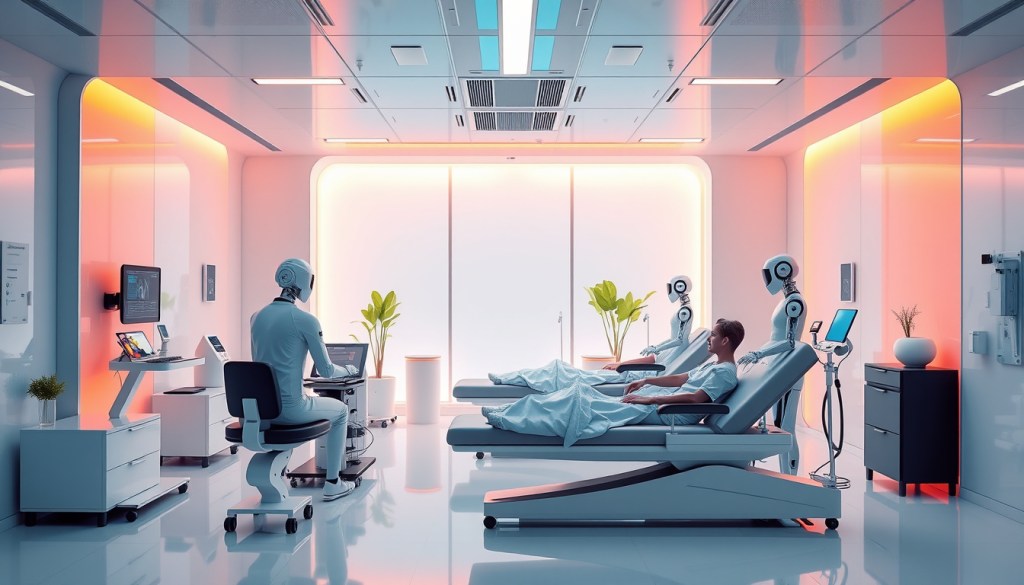
As we move further into the 21st century, the future physiotherapy service is becoming increasingly technology-driven, offering innovative solutions to enhance patient care and streamline recovery processes.
This article delves into the evolution of physiotherapy from a historical perspective, investigates the cutting-edge technologies shaping its future, explores the rising importance of telehealth, and examines the challenges and opportunities facing physiotherapy practitioners today.
Join us as we uncover how these advancements are set to revolutionize recovery for patients around the world.

Key Takeaways
- Physiotherapy has evolved significantly, adapting to new medical insights and technology.
- Innovative technologies like AI and robotics are transforming how physiotherapy is delivered.
- Telehealth offers a convenient and accessible option for patients, expanding the reach of physiotherapy services.
- The future holds both challenges and opportunities, necessitating adaptation by physiotherapy professionals.
- Continuous education and innovation are vital for physiotherapists to stay relevant in an evolving landscape.
The Evolution of Physiotherapy: A Historical Perspective
The evolution of physiotherapy has been significant, adapting and transforming through the ages to meet the diverse needs of healthcare.
From its ancient roots in Egypt and Greece, where early practitioners employed techniques like massage and exercise, to the more complex practices of the present day, physiotherapy has always played a crucial role in rehabilitation and physical health.
The 20th century marked a pivotal point with the introduction of more structured training programs and the integration of scientific research into treatment practices.
As technology advanced, so did the methods of treatment, leading us to the present era where innovative techniques are revolutionizing patient care.
Currently, a notable trend shaping the future physiotherapy service is the incorporation of advanced tools such as TECAR therapy, which uses radiofrequency energy for effective pain relief and rehabilitation.
This technique is gaining recognition not just for its efficacy, but also for its application in home physiotherapy settings, allowing patients to receive top-tier medical treatment in the comfort of their own homes.
Furthermore, with the increasing endorsement from professionals and elite athletes worldwide, the future of physiotherapy services is geared towards a more personalized approach that combines technology, convenience, and expert care, exemplified by services like Physiolife, the first to offer home physiotherapy integrated with TECAR technology in Singapore.
This progression presents a promising outlook for patients and practitioners alike, carving out a pathway for enhanced physical rehabilitation and health management.
Innovative Technologies Shaping the Future of Physiotherapy Services
In the evolving landscape of healthcare, innovative technologies are shaping the future physiotherapy service, making treatments more effective and accessible than ever before.
One groundbreaking technology that has emerged is TECAR therapy, a methodology that provides rapid recovery for athletes and individuals alike.
This advanced treatment option utilizes capacitive and resistive energy transfer to stimulate circulation and promote tissue healing, making it a preferred choice among elite athletes globally.
Research published in the Journal of Athletic Training supports the efficacy of TECAR therapy, noting significant improvements in pain relief and recovery times.
High-profile endorsements from professional athletes such as Cristiano Ronaldo and Serena Williams highlight how TECAR therapy has not only enhanced their performance but has also expedited their recovery from injuries.
Beyond professional sports, individuals seeking efficient rehabilitation now have access to physiotherapy at home, significantly improving convenience and comfort during recovery.
Physiolife stands out as the first and only physiotherapy service in Singapore that integrates TECAR technology into its home physiotherapy offerings.
This unique approach not only maximizes the recovery experience but also brings top-tier, technologically advanced treatment directly to the patient’s doorstep, revolutionizing personal health and wellness on an individual basis.
‘The future belongs to those who believe in the beauty of their dreams.’ – Eleanor Roosevelt

The Role of Telehealth in Modern Physiotherapy
In today’s fast-paced world, the role of telehealth in modern physiotherapy has become increasingly crucial, particularly as we move towards a future physiotherapy service that prioritizes convenience and accessibility.
Telehealth allows physiotherapists to connect with patients remotely, providing tailored treatment plans via video consultations and digital platforms.
This innovative approach not only enhances patient engagement but also ensures continuity of care, especially for those who may have mobility challenges or reside in remote areas.
Research has shown that telehealth physiotherapy can be just as effective as in-person sessions, offering a flexible solution that meets the needs of diverse populations.
With the integration of cutting-edge technologies like TECAR therapy, which is renowned for its fast recovery results among elite athletes, future physiotherapy services will likely evolve to offer patients a combination of remote consultations and advanced treatment options at home.
This seamless blend of technology and personal care redefines the physiotherapy landscape, empowering individuals to take charge of their health from the comfort of their home.
Challenges and Opportunities in the Future of Physiotherapy Practice
The future of physiotherapy service is poised at an intriguing crossroads, where innovative technologies and patient-centric practices are transforming therapeutic approaches.
As the demand for personalized and efficient care escalates, physiotherapists face the challenge of integrating advanced modalities such as TECAR therapy into their services.
This high-frequency therapeutic technology, known for its effectiveness in accelerating recovery, is increasingly being recognized not only by top international athletes for its rapid results but also by the broader health community.
Research published in the ‘Journal of Sports Medicine’ highlights the superior outcomes associated with TECAR therapy, illustrating its ability to reduce inflammation and enhance healing significantly.
Additionally, testimonials from professional athletes underscore its benefits, with many citing TECAR therapy as a game-changer in their rehabilitation protocols.
Beyond sports, the shift towards home physiotherapy services offers an exciting opportunity for practitioners.
The convenience of receiving care at home, coupled with the advanced benefits of TECAR therapy, provides a competitive edge for physiotherapists.
Physiolife stands out as the first and only physiotherapy service in Singapore offering home visits with added TECAR therapies, combining cutting-edge technology with unmatched convenience.
By embracing these opportunities and overcoming the inherent challenges, physiotherapists can redefine service delivery, ensuring a brighter, more efficient future for patient care.
Frequently Asked Questions
What are some innovative technologies shaping the future of physiotherapy services?
Innovative technologies include virtual reality for rehabilitation, wearable devices that monitor progress, and AI-driven software that customizes treatment plans.
How has telehealth changed the landscape of physiotherapy?
Telehealth allows physiotherapists to provide remote consultations and therapy sessions, increasing accessibility and convenience for patients, especially in rural areas.
What historical changes have led to the current state of physiotherapy services?
Physiotherapy has evolved from basic manual therapies in ancient times to a complex, evidence-based practice incorporating advanced technology and specialized treatments.
What challenges do physiotherapy practices face as they evolve?
Challenges include adapting to new technologies, ensuring patient data security, and maintaining effective communication in remote settings.
What opportunities lie ahead for the practice of physiotherapy?
Opportunities include expanding access to care through telehealth, integrating AI for personalized therapy, and developing new treatment methods based on the latest research.
We are a specialized treatment service for savvy people who want real results.
While we are not suitable for someone looking for ‘cheap physiotherapy’ or ‘free exercises available on youtube’, our treatments are affordable and are often claimable with company flexi-benefits, company health insurance, travel insurance, personal accident insurance, and other insurance plans.
Simply whatsapp or call: +6585226048 and let us know how to help.
If you prefer a convenient nutritional preventive option, Regenerix Gold is our top recommended joint supplement.
We have been recommending this joint supplement for over a decade.
Simply start with 3 capsules, once a day.
If you do not feel better within a week, increase to 2 capsules, twice a day. (4 capsules a day in total)
Our blog readers qualify for a special discount.
Simply use the link below and a discount will automatically be applied during checkout.
 Pain Recovery @ Home