In today’s fast-paced world, many of us find ourselves struggling with flexibility due to long hours spent sitting at desks or the absence of a regular exercise regimen.
However, regaining flexibility at home is not only achievable but essential for enhancing your overall physical performance and preventing injuries.
Flexibility improves your range of motion, reduces muscle tension, and increases blood flow to muscles, all of which contribute to a healthier lifestyle.
In this article, we will dive deep into the significance of flexibility, share effective warm-up routines and stretching exercises, and provide helpful tips on maintaining flexibility after your workouts.
So, if you’re ready to unlock your body and enjoy the myriad benefits that come with increased flexibility, keep reading!
<img src='https://im.runware.ai/image/os/a24d12/ws/2/ii/45d2ce7c-d750-4a0e-af1a-1e3be3badefb.jpg' alt='Unlock Your Body: Effective Ways to Regain Flexibility at Home‘ style=’display: block; margin: auto; max-width: 100%; height: auto;’>
Key Takeaways
- Flexibility is crucial for overall fitness and injury prevention.
- Starting with a proper warm-up is essential for a successful flexibility routine.
- Incorporating specific stretching exercises can significantly help in regaining flexibility.
- Consistency is key in your flexibility training for optimal results.
- Maintaining flexibility post-workout involves regular practice and mindful stretching.
Understanding Flexibility and Its Importance
Flexibility plays a crucial role in our overall physical health, enhancing our ability to perform daily activities, reduce injury risk, and improve athletic performance.
As we age or experience physical injuries, our flexibility can diminish.
This makes the ability to regain flexibility at home not only vital for maintaining an active lifestyle but also essential for recovery post-injury or surgery.
Research published in the Journal of Sports Medicine indicates that increased flexibility contributes significantly to muscle function and joint stability, reducing the likelihood of strains and sprains.
With the rise of home physiotherapy services, such as Physiolife in Singapore, individuals have unparalleled access to professional guidance and advanced technology, like TECAR therapy, to enhance their flexibility quickly and effectively.
Clients, including professional athletes who rely on the agility that flexibility provides, have praised TECAR therapy for its ability to stimulate cellular repair and enhance muscle elasticity.
As you embark on your journey to regain flexibility at home, consider integrating these therapeutic methods to optimize your results and improve your quality of life.
Warm-Up Routines to Start Your Flexibility Journey
A well-structured warm-up routine is essential for anyone looking to regain flexibility at home.
Not only does it prepare your body for more intense stretches and physical activities, but it also reduces the risk of injury.
Starting with gentle dynamic stretches, such as arm circles, leg swings, and torso twists, can help get your blood flowing and encourage muscle elasticity.
As your body warms up, incorporate static stretches targeting major muscle groups – such as the hamstrings, quadriceps, and back – holding each stretch for at least 15-30 seconds.
This gradual method ensures that your muscles are sufficiently prepared and relaxed, enhancing your flexibility journey right from the comfort of your home.
Remember, consistency is key; aim for a daily or at least a regular warm-up to effectively regain flexibility and improve overall mobility.
‘The human body is the best picture of the human soul.’ – Ludwig Wittgenstein
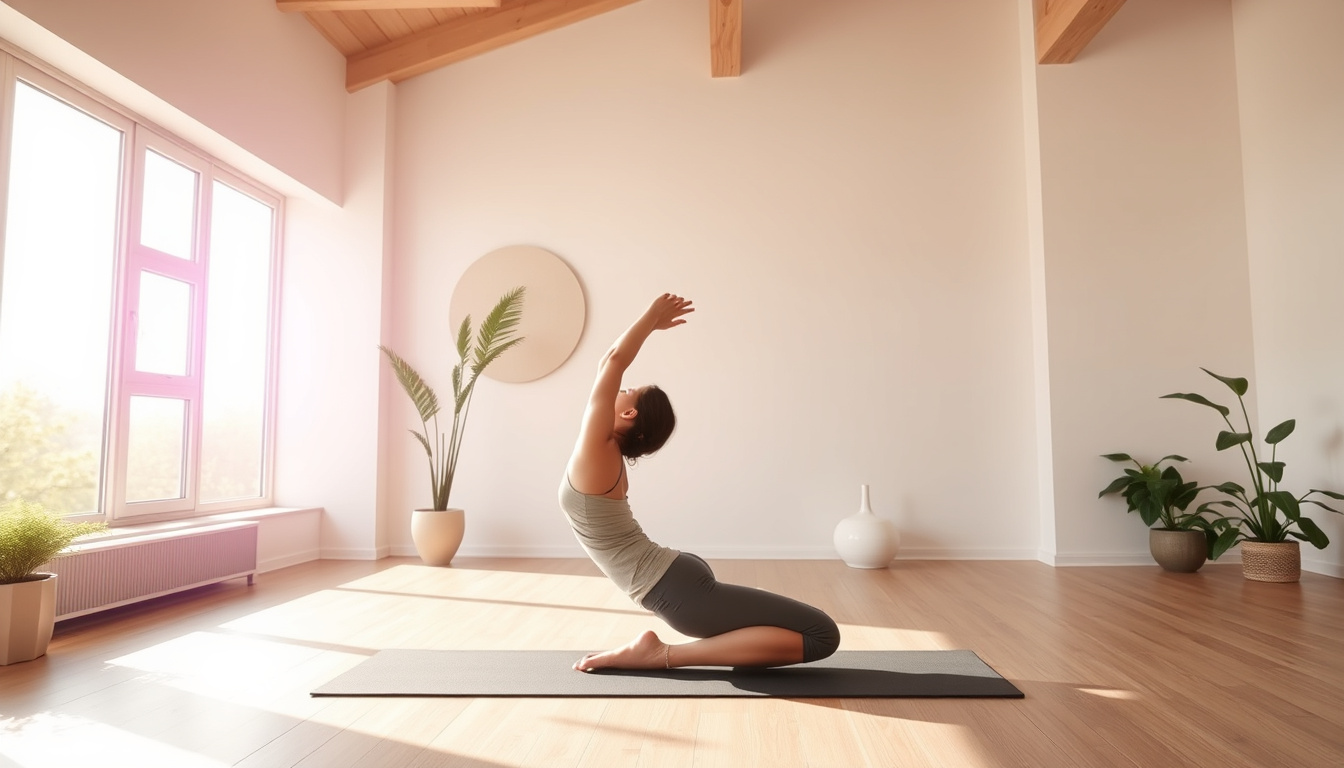
Effective Stretching Exercises to Regain Flexibility
Regaining flexibility at home is essential for improving your overall physical health and preventing injuries.
Incorporating effective stretching exercises into your daily routine can significantly enhance your flexibility.
Begin with dynamic stretches such as arm circles and leg swings to warm up your muscles.
Follow this with static stretches like the standing quadriceps stretch and seated hamstring stretch, holding each position for at least 20-30 seconds.
Additionally, yoga poses like the downward dog and butterfly stretch can greatly contribute to your flexibility goals.
Consistency is key, so aim to dedicate a few minutes each day to these exercises.
By making a commitment to regain flexibility at home, you’ll not only enhance your physical performance but also improve your range of motion and reduce muscle tension.
Tips for Maintaining Flexibility After Workouts
Maintaining flexibility after workouts is essential for overall physical health and performance, especially for those looking to regain flexibility at home.
One effective strategy is to incorporate a consistent stretching routine into your post-workout regimen.
Focus on dynamic stretches right after your workout to aid in cooldown, followed by static stretches once your body has cooled down.
Consider using foam rollers or massage balls to release muscle tension and improve tissue elasticity.
Additionally, practicing yoga or Pilates can enhance your flexibility while promoting mindfulness and relaxation.
Remember to stay hydrated and nourish your body with a balanced diet, as hydration and nutrition play key roles in muscle recovery and flexibility.
Lastly, utilizing home physiotherapy services, like those offered by Physiolife in Singapore, can provide personalized guidance and incorporate advanced techniques such as TECAR therapy to effectively address any flexibility concerns.
Frequently Asked Questions
What is flexibility, and why is it important?
Flexibility refers to the ability of your muscles and joints to move through their full range of motion.
It is important for overall physical health, as it can enhance athletic performance, reduce the risk of injuries, improve posture, and promote better circulation.
What are some warm-up routines I can do before stretching?
Effective warm-up routines include dynamic movements such as leg swings, arm circles, or light cardio activities like jogging in place.
These activities increase blood flow to the muscles and prepare the body for more intensive stretching.
What specific stretching exercises can help me regain flexibility at home?
Some effective stretching exercises include the butterfly stretch, hamstring stretch, hip flexor stretch, and shoulder stretches.
Incorporating yoga poses like downward dog and pigeon pose can also significantly enhance flexibility.
How often should I stretch to improve my flexibility?
For best results, aim to stretch at least 2-3 times a week.
However, incorporating short stretching sessions after workouts or daily will help maintain and improve flexibility over time.
What tips should I follow to maintain flexibility after my workouts?
To maintain flexibility, practice post-workout stretches to cool down your muscles, stay hydrated, and consider incorporating foam rolling to release muscle tension.
Regularly revisiting stretching routines is also essential for long-term flexibility.
We are a specialized treatment service for savvy people who want real results.
While we are not suitable for someone looking for ‘cheap physiotherapy’ or ‘free exercises available on youtube’, our treatments are affordable and are often claimable with company flexi-benefits, company health insurance, travel insurance, personal accident insurance, and other insurance plans.
Simply whatsapp or call: +6585226048 and let us know how to help.
If you prefer a convenient nutritional preventive option, Regenerix Gold is our top recommended joint supplement.
We have been recommending this joint supplement for over a decade.
Simply start with 3 capsules, once a day.
If you do not feel better within a week, increase to 2 capsules, twice a day. (4 capsules a day in total)
Our blog readers qualify for a special discount.
Simply use the link below and a discount will automatically be applied during checkout.
 Pain Recovery @ Home
