In recent years, the landscape of healthcare has experienced a profound transformation, particularly in the realm of physiotherapy.
Traditionally, physiotherapy has been synonymous with manual techniques: hands-on manipulation, stretching, and exercises designed to restore movement and function.
However, as the field evolves, professionals are now exploring physiotherapy beyond manual therapy, integrating innovative strategies that leverage technology, mindfulness, and research-backed methodologies.
This article delves into the exciting developments reshaping physiotherapy, highlighting the significance of contemporary approaches that enhance patient care and promote comprehensive healing.
We will examine the evolution of physiotherapy, the integration of technology, the impact of holistic approaches, and the future trends that are redefining non-manual therapies in this dynamic field.
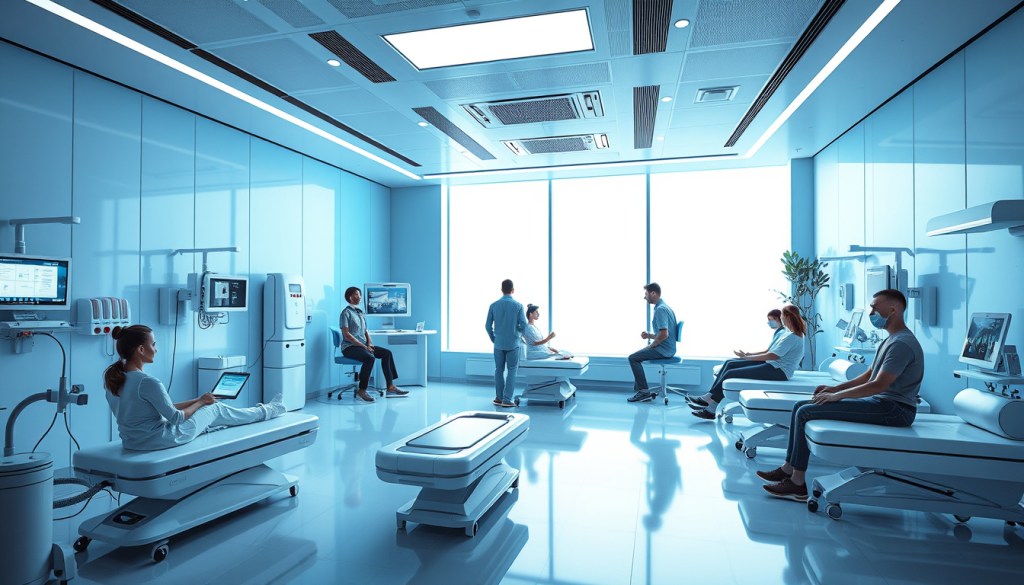
<img src='https://im.runware.ai/image/os/a12d13/ws/2/ii/6b3be6ce-09c7-429f-8ba5-80b67d558aac.jpg' alt='Exploring Physiotherapy Beyond Manual Therapy: Innovative Approaches for Comprehensive Healing’ style=’display: block; margin: auto; max-width: 100%; height: auto;’>
Key Takeaways
- Physiotherapy is evolving beyond traditional manual techniques to include innovative therapies.
- Telehealth and wearable devices are becoming crucial tools in modern physiotherapy practices.
- Integrating mindfulness into physiotherapy enhances patient well-being and recovery.
- Holistic approaches are essential for addressing the multifaceted nature of patient health.
- Emerging research is continually shaping the future of non-manual therapies in the field of physiotherapy.
The Evolution of Physiotherapy: Moving Past Manual Techniques
As the landscape of healthcare evolves, physiotherapy is increasingly moving beyond manual therapy techniques to embrace innovative technologies that enhance recovery and performance.
One such groundbreaking advancement is TECAR therapy, which stands for Capacitive and Resistive Energy Transfer.
This therapy uses radiofrequency technology to stimulate tissue regeneration and accelerate the healing process, and it has earned a reputation as a preferred choice among international athletes seeking faster recovery from injuries.
Published studies indicate that TECAR therapy significantly improves pain relief and functional recovery, which is why top-tier athletes, such as NBA stars and Olympic competitors, have integrated it into their rehabilitation regimes.
Incorporating TECAR therapy into physiotherapy not only offers advanced healing but also expands the options available for patients who may prefer treatment in the comfort of their own homes.
Home physiotherapy, coupled with the benefits of TECAR, provides a convenient and highly effective solution for those who require tailored rehabilitation plans.
Physiolife stands out as the first and only physiotherapy service in Singapore offering home physiotherapy with this superior technology, ensuring that patients enjoy the benefits of rapid recovery while receiving individualized care.
The combination of TECAR therapy with professional physiotherapy at home enables patients to experience effective healing without the limitations of traditional treatments, reinforcing the shift towards modern, technology-driven approaches in physiotherapy.
Integrating Technology: The Role of Telehealth and Wearable Devices
Integrating technology into healthcare is transforming the physiotherapy landscape, especially as the field evolves beyond manual therapy.
With the rise of telehealth and wearable devices, patients now have access to physiotherapy that is more convenient and tailored to their individual needs.
Telehealth allows physiotherapists to conduct virtual appointments, ensuring patients receive expert guidance from the comfort of their homes, which is especially valuable during recovery or times when travel may be difficult.
This integration enhances communication between patients and therapists while allowing for real-time monitoring of rehabilitation progress using wearable devices.
By collecting data such as movement patterns, muscle activity, and recovery metrics, physiotherapists can adjust treatment plans promptly, ensuring optimal outcomes.
As a result, physiotherapy beyond manual therapy not only aligns with modern lifestyles but also leverages cutting-edge technology to enhance patient care, making recovery more efficient and effective.
‘The greatest discovery of my generation is that a human being can alter his life by altering his attitude of mind.’ – William James

Holistic Approaches: Combining Mindfulness and Physiotherapy
In the realm of rehabilitation, the landscape is shifting towards holistic approaches that combine modern techniques with mental wellness strategies.
Physiotherapy beyond manual therapy encompasses a variety of modalities designed not only to treat physical ailments but also to promote overall well-being.
One such innovative method gaining traction is the integration of mindfulness practices into physiotherapy sessions.
By incorporating mindfulness techniques, physiotherapists help patients develop greater body awareness and emotional resilience amidst their recovery journey.
This fusion not only enhances the effectiveness of traditional therapies but can also lead to reduced stress and improved mental health outcomes.
Research published in the Journal of Physiotherapy reveals that patients who engage in mindfulness-based physiotherapy experience faster recovery rates and improved engagement during their rehabilitation.
Testimonials from clients express a newfound appreciation for their bodies, noting how mindfulness strategies have transformed their approach to pain management and healing.
In today’s fast-paced world, prioritizing both physical and mental health is essential; integrating mindfulness into physiotherapy sessions exemplifies a progressive stance on achieving holistic health.
Future Trends: How Research is Shaping Non-Manual Therapies in Physiotherapy
As the landscape of healthcare evolves, the integration of technology into physiotherapy is becoming increasingly significant, especially when considering physiotherapy beyond manual therapy.
Innovative treatments such as TECAR therapy are redefining patient care and enhancing recovery for athletes and everyday individuals alike.
Research shows that TECAR therapy, which uses high-frequency electromagnetic waves to promote tissue regeneration, significantly reduces recovery time and enhances the healing process.
For instance, a study published in the Journal of Rehabilitation Medicine found that patients undergoing TECAR therapy experienced a 30% faster recovery from sports-related injuries compared to traditional methods.
User testimonials highlight the rapid improvement many have experienced through this technology.
International athletes like tennis star Novak Djokovic and football legend Cristiano Ronaldo have endorsed TECAR therapy, attributing their swift recoveries and enhanced performance to such innovative techniques.
Additionally, medical professionals advocate for the inclusion of non-manual therapies in physiotherapy practices, emphasizing their efficacy in targeting underlying issues and supporting injury prevention.
Moreover, the convenience of physiotherapy at home, paired with advanced technologies like TECAR, presents an attractive option for patients.
Services like Physiolife, the first and only provider in Singapore offering home physiotherapy with TECAR technology, embody this trend, delivering personalized care directly to patients’ doorsteps.
This comprehensive approach not only maximizes patient comfort but also ensures timely access to effective treatment, staying at the forefront of physiotherapy beyond manual therapy.
Frequently Asked Questions
What is the importance of moving beyond manual therapy in physiotherapy?
Moving beyond manual therapy allows physiotherapists to adopt a more holistic approach that encompasses technology, mindfulness, and patient education, ultimately leading to more comprehensive healing and better patient outcomes.
How does telehealth contribute to physiotherapy beyond traditional methods?
Telehealth offers flexibility and accessibility for patients, allowing them to receive physiotherapy consultations and follow-up care remotely.
This enhances treatment adherence and can lead to improved health outcomes.
What role do wearable devices play in physiotherapy?
Wearable devices track patients’ movements and biometrics, providing valuable data that physiotherapists can use to tailor treatment plans and monitor progress, fostering a more personalized approach to rehabilitation.
Can mindfulness techniques be integrated into physiotherapy practices?
Yes, integrating mindfulness techniques can help patients manage pain, reduce anxiety, and improve their overall healing experience, making physiotherapy more effective by addressing both physical and mental health.
What are some future trends we can expect in physiotherapy regarding non-manual therapies?
Future trends may include increased utilization of artificial intelligence for personalized treatment plans, advancements in virtual reality for rehabilitation, and greater emphasis on preventative care through education and lifestyle modification.
We are a specialized treatment service for savvy people who want real results.
While we are not suitable for someone looking for ‘cheap physiotherapy’ or ‘free exercises available on youtube’, our treatments are affordable and are often claimable with company flexi-benefits, company health insurance, travel insurance, personal accident insurance, and other insurance plans.
Simply whatsapp or call: +6585226048 and let us know how to help.
If you prefer a convenient nutritional preventive option, Regenerix Gold is our top recommended joint supplement.
We have been recommending this joint supplement for over a decade.
Simply start with 3 capsules, once a day.
If you do not feel better within a week, increase to 2 capsules, twice a day. (4 capsules a day in total)
Our blog readers qualify for a special discount.
Simply use the link below and a discount will automatically be applied during checkout.
 Pain Recovery @ Home
