Back pain is a common issue that plagues many office workers, often resulting from long hours spent sitting at a desk.
In fact, according to a study published in the Journal of Occupational Rehabilitation, approximately 80% of office employees experience back pain at some point in their careers.
Understanding the causes of back pain and implementing effective recovery strategies can significantly improve comfort and productivity during the workday.
This ultimate guide to back pain recovery for office workers offers practical tips and strategies to help you recover from discomfort and maintain a pain-free work lifestyle.
We’ll discuss the underlying causes and prevention methods of back pain, how to set up an ergonomic workspace, effective stretching and strengthening exercises, and best practices for maintaining back health throughout the workday.

Key Takeaways
- Identifying the common causes of back pain among office workers is essential for effective prevention.
- Creating an ergonomic workspace can significantly reduce the risk of developing back issues.
- Incorporating regular stretching and strengthening exercises can promote back pain recovery.
- Implementing best practices, like taking breaks and adjusting posture, can enhance back health during the workday.
- Maintaining awareness of body mechanics is crucial for sustaining long-term relief from back pain.
Understanding Back Pain: Causes and Prevention for Office Workers
Back pain recovery for office workers is a pressing concern in today’s sedentary work environment.
With long hours spent seated at desks, the risk of developing back pain continues to rise.
Common causes include poor posture, prolonged periods of inactivity, and repetitive strain from typing or using a mouse.
Preventing back pain is possible through ergonomic practices, such as adjusting the workstation to promote proper posture and incorporating regular breaks to stretch and move.
Research shows that exercises targeting core strength can significantly reduce the incidence of back pain among office workers (Bheeman et al., 2021).
Furthermore, utilizing techniques such as TECAR therapy offers a faster recovery option; this form of therapy utilizes radiofrequency technology to stimulate tissue regeneration and improve blood circulation, thereby accelerating healing.
By staying informed about effective recovery techniques and committing to preventative measures, office workers can manage and ultimately reduce their back pain, leading to a healthier and more productive work life.
Ergonomic Workspace Setup: Optimizing Your Office Environment
In today’s fast-paced work environment, many office workers are facing the debilitating challenge of back pain, making back pain recovery an essential consideration.
An ergonomic workspace setup can provide significant relief and aid in the recovery process.
Studies have shown that proper desk height, supportive chairs, and strategic monitor placement can help reduce strain on the back and improve posture.
Occupational health experts recommend adjusting your chair to support the natural curve of your spine and positioning your monitor at eye level to prevent hunching.
Additionally, incorporating regular breaks and movement into your routine plays a crucial role in mitigating discomfort.
Research published in the Journal of Occupational Health suggests that office workers who utilize ergonomic tools and follow best practices report a significant reduction in back pain symptoms.
With the rise of homeworking, the opportunity to invest in an ergonomic workspace has become more accessible, allowing individuals to tailor their environments to promote better health outcomes.
As office workers seek to reclaim their comfort and mobility, understanding the importance of ergonomics is pivotal in back pain recovery.
‘Take care to get what you like or you will be forced to like what you get.’ – George Bernard Shaw
<img src='https://im.runware.ai/image/os/a14d18/ws/2/ii/67263553-2e6f-4568-b909-3a0f5664a8e
1.jpg’ alt=’Effective Stretching and Strengthening Exercises for Relief’ style=’display: block; margin: auto; max-width: 100%; height: auto;’>
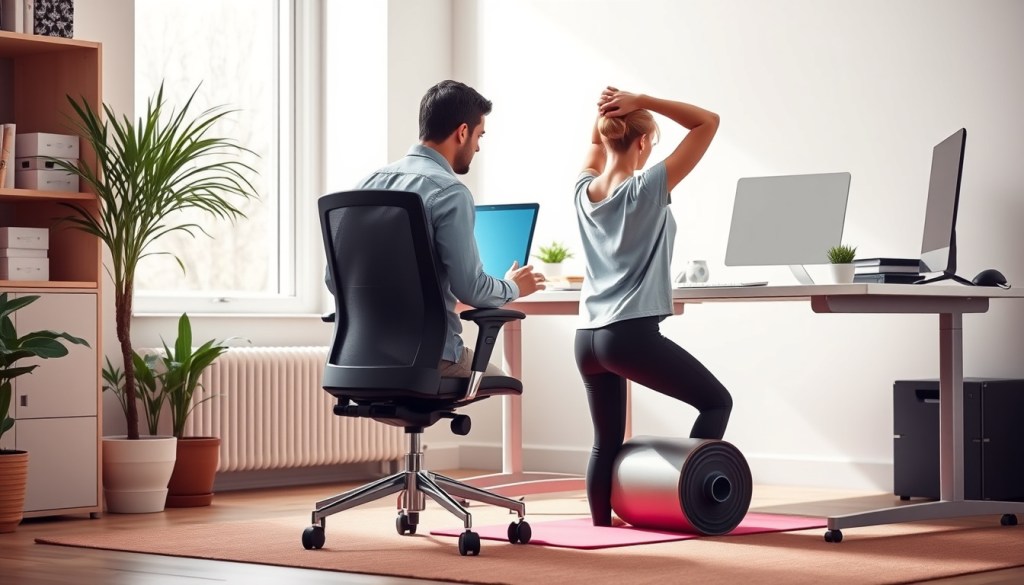
Effective Stretching and Strengthening Exercises for Relief
Back pain recovery for office workers is a pressing concern as many spend prolonged hours seated, leading to discomfort and musculoskeletal issues.
Effective stretching and strengthening exercises can significantly aid in alleviating back pain and improving overall posture.
Key stretches include the Cat-Cow stretch, which enhances spinal flexibility, and the Child’s Pose, which provides a gentle way to relieve tension in the lower back.
Strengthening exercises like the Plank and Glute Bridges are also essential; they not only strengthen the core but also stabilize the lower back, reducing pain over time.
Incorporating short breaks to perform these exercises throughout the workday can pave the way for a healthier lifestyle and contribute to effective back pain recovery for office workers.
Additionally, utilizing ergonomically designed office furniture can promote better posture and minimize strain on the back.
Best Practices for Maintaining Back Health Throughout the Workday
Back pain is a common issue faced by office workers, often due to prolonged sitting and poor posture.
To enhance back pain recovery among office workers, it’s essential to incorporate effective practices into your daily routine.
Ergonomic workspace setup is crucial; ensuring your workstation is designed to promote a neutral spine position can significantly alleviate stress on your back.
Regular breaks and movement are vital; aim to stand, stretch, or walk for a few minutes every hour to counteract the negative effects of sitting.
Incorporating strengthening and flexibility exercises during your breaks can also help maintain back health.
Additionally, proper lifting techniques should be employed when handling office supplies to prevent strain.
Lastly, consider the potential of TECAR therapy, which has transformed recovery protocols for many office workers.
This innovative technology accelerates healing by stimulating tissue regeneration, making it a superior choice for those battling chronic back issues.
By adopting these best practices, office workers can foster a healthier back and enhance overall productivity at work.
Frequently Asked Questions
What are common causes of back pain for office workers?
Common causes of back pain for office workers include prolonged sitting, poor posture, muscle strain from repetitive motions, inadequate workspace ergonomics, and lack of physical activity.
How can I optimize my workspace to prevent back pain?
To optimize your workspace, ensure your chair provides proper lumbar support, adjust your screen height to eye level, keep your feet flat on the floor, and use a desk that allows for varied postures, including standing.
What exercises can help relieve back pain?
Effective exercises include stretching the hamstrings and hip flexors, core strengthening workouts like planks, and back exercises like bridges and cat-cow stretches.
It’s important to consult with a professional before starting any new exercise regimen.
How often should I take breaks to maintain back health at work?
It’s recommended to take a break every 30 to 60 minutes to stand up, stretch, and move around.
This helps reduce muscle tension and promotes blood circulation.
What are some best practices to maintain back health throughout the workday?
Best practices include maintaining good posture, adjusting your workstation ergonomically, using an anti-fatigue mat if standing, staying hydrated, and incorporating regular physical activity into your daily routine.
We are a specialized treatment service for savvy people who want real results.
While we are not suitable for someone looking for ‘cheap physiotherapy’ or ‘free exercises available on youtube’, our treatments are affordable and are often claimable with company flexi-benefits, company health insurance, travel insurance, personal accident insurance, and other insurance plans.
Simply whatsapp or call: +6585226048 and let us know how to help.
If you prefer a convenient nutritional preventive option, Regenerix Gold is our top recommended joint supplement.
We have been recommending this joint supplement for over a decade.
Simply start with 3 capsules, once a day.
If you do not feel better within a week, increase to 2 capsules, twice a day. (4 capsules a day in total)
Our blog readers qualify for a special discount.
Simply use the link below and a discount will automatically be applied during checkout.
 Pain Recovery @ Home