Joint stiffness is a common concern for the elderly, impacting their quality of life and mobility.
As we age, our joints tend to lose flexibility and strength, leading to discomfort and reduced physical activity.
Understanding the causes of joint stiffness in the elderly is crucial for effective management.
In this article, we will explore essential physiotherapy techniques designed to alleviate joint stiffness, suggest home exercises to enhance flexibility and mobility, and discuss the role of regular physiotherapy in maintaining joint health.
Whether you’re a caregiver or an elder looking to improve your joint function, these insights will guide you towards a more active and pain-free life.

Key Takeaways
- Joint stiffness in the elderly can significantly impact mobility and quality of life.
- Key physiotherapy techniques include stretching, strengthening exercises, and manual therapy.
- Home exercises are crucial for maintaining flexibility and improving mobility in seniors.
- Regular physiotherapy visits help maintain joint health and prevent stiffness progression.
- An individualized care plan is essential for effectively managing joint stiffness in elderly patients.
Understanding Joint Stiffness in the Elderly
As we age, many experience joint stiffness, a condition that can significantly impact daily activities and overall quality of life.
Joint stiffness in the elderly is often attributed to a combination of factors such as arthritis, reduced muscle mass, and degenerative joint diseases.
This stiffness can lead to decreased mobility, increased pain, and difficulty in performing everyday tasks.
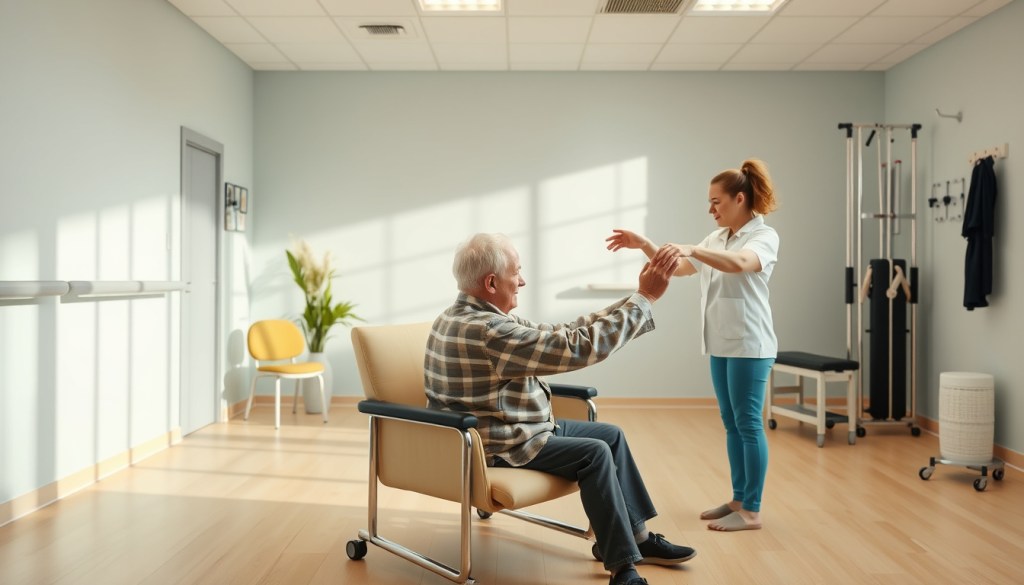
Engaging in regular physical therapy can be incredibly beneficial for older adults battling joint stiffness.
Elderly physio focuses on gentle exercises tailored to maintain flexibility, strength, and mobility.
Physiotherapists can assess individual needs and create personalized treatment plans that include targeted exercises to alleviate stiffness, improve joint function, and enhance overall well-being.
Incorporating physiotherapy into a routine not only helps in managing symptoms but encourages a healthier lifestyle, ultimately leading to improved independence and a better quality of life.
Essential Physiotherapy Techniques for Joint Stiffness
As the body ages, many individuals experience a reduction in mobility due to joint stiffness, particularly in the elderly population.
Addressing joint stiffness elderly physio is crucial for maintaining a good quality of life.
Physiotherapy focuses on restoring movement and function in stiff joints through various essential techniques.
Manual therapy, therapeutic exercises, and modalities like heat treatment are commonly employed to alleviate pain and improve flexibility.
Furthermore, aquatic therapy provides a supportive environment for gentle movement, making it an ideal option for seniors.
Moreover, encouraging regular physical activity, tailored stretching routines, and strength training helps significantly reduce stiffness over time.
This focused approach not only enhances physical well-being but also fosters a sense of independence and boosts emotional health, enabling seniors to engage more actively in their daily lives.
‘The key to longevity is to keep your mind and body active, and to find joy in every movement.’ – Unknown

Home Exercises to Enhance Flexibility and Mobility
As we age, joint stiffness becomes a common issue among the elderly, impacting overall mobility and quality of life.
Engaging in simple home exercises can significantly improve flexibility and alleviate discomfort caused by joint stiffness.
One effective approach is to incorporate physiotherapy routines tailored to the needs of older adults.
Gentle stretching exercises, such as the seated hamstring stretch and standing calf raise, can enhance mobility while minimizing the risk of injury.
Additionally, the use of resistance bands during light strength training can promote joint stability and range of motion.
Regular engagement in these activities not only aids in reducing stiffness but also contributes to improved balance, which is crucial in preventing falls.
Having a qualified physiotherapist guide these home exercises can further enhance their efficiency, ensuring that the elderly maintain their independence and active lifestyle.
The Role of Regular Physiotherapy in Managing Joint Health
As we age, maintaining joint health becomes increasingly essential to ensuring mobility and a high quality of life.
Joint stiffness in the elderly is a common issue, often leading to discomfort and a reduction in physical activity.
Regular physiotherapy plays a crucial role in managing these symptoms, providing tailored exercises that enhance flexibility and strength while alleviating stiffness.
Physiotherapists work closely with elderly patients to assess their unique needs and develop a personalized treatment plan aimed at improving joint function.
Incorporating techniques such as gentle stretching, strengthening exercises, and manual therapy, physiotherapy can help reduce pain and increase range of motion.
Furthermore, advancements like TECAR therapy, utilized by top athletes for expedited recovery, can be integrated into physiotherapy sessions.
At Physiolife, the pioneering home physiotherapy service in Singapore, we leverage this technology to offer our elderly clients an effective solution for managing joint stiffness right in the comfort of their homes.
With the added convenience and expertise of our physiotherapists, elderly patients can experience improved joint health and a better quality of life.
Frequently Asked Questions
What causes joint stiffness in the elderly?
Joint stiffness in the elderly can be caused by a variety of factors including age-related wear and tear on joints, conditions such as arthritis, reduced levels of physical activity, and changes in muscle strength and flexibility.
What physiotherapy techniques are effective for joint stiffness?
Effective physiotherapy techniques for joint stiffness include manual therapy, ultrasound therapy, cryotherapy, and therapeutic exercises aimed at improving range of motion and strength.
Are there specific home exercises I can do to improve my joint flexibility?
Yes, home exercises like gentle stretching, yoga, tai chi, and low-impact aerobic activities such as walking or cycling can greatly enhance flexibility and mobility in the elderly.
How often should elderly individuals see a physiotherapist for joint health?
It is generally recommended for elderly individuals experiencing joint stiffness to see a physiotherapist at least once a week or more frequently based on their individual needs and progress.
Can regular physiotherapy completely eliminate joint stiffness?
While regular physiotherapy can significantly reduce joint stiffness and improve joint health, it may not completely eliminate stiffness, especially if there are underlying conditions such as arthritis.
We are a specialized treatment service for savvy people who want real results.
While we are not suitable for someone looking for ‘cheap physiotherapy’ or ‘free exercises available on youtube’, our treatments are affordable and are often claimable with company flexi-benefits, company health insurance, travel insurance, personal accident insurance, and other insurance plans.
Simply whatsapp or call: +6585226048 and let us know how to help.
If you prefer a convenient nutritional preventive option, Regenerix Gold is our top recommended joint supplement.
We have been recommending this joint supplement for over a decade.
Simply start with 3 capsules, once a day.
If you do not feel better within a week, increase to 2 capsules, twice a day. (4 capsules a day in total)
Our blog readers qualify for a special discount.
Simply use the link below and a discount will automatically be applied during checkout.
 Pain Recovery @ Home